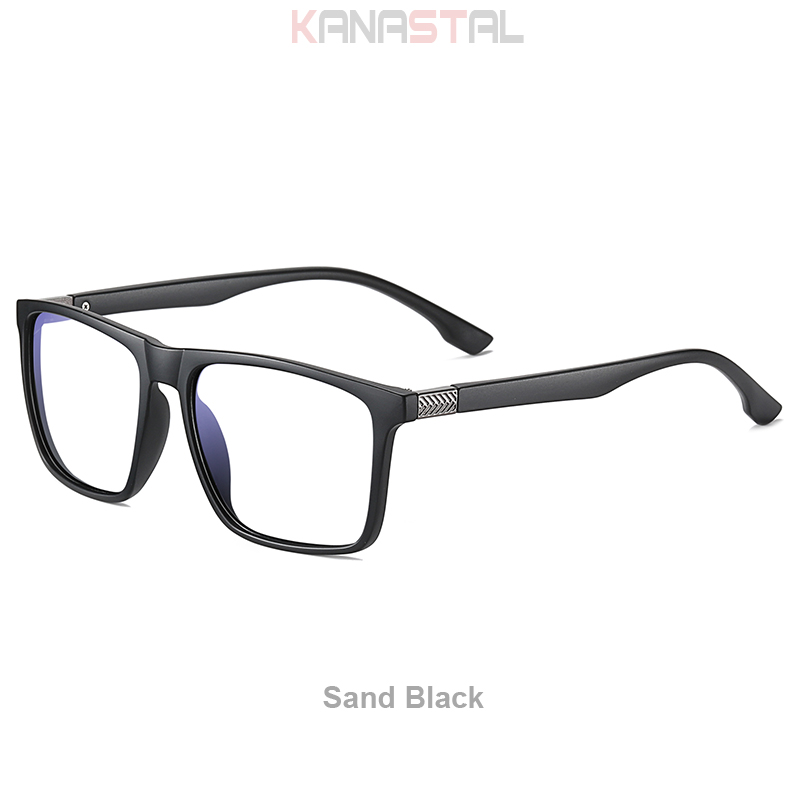
I used to be one of those people who just grabbed the cheapest pair of reading glasses from the drug store. I needed them, they were there, and they were, well, cheap. Looking back, I shudder to think about the money and time I wasted on those so-called "cheater eyeglasses." If I had to guess, I probably threw away close to $150-$200 every single year. That's not counting the hours of eye strain, the frustration of constantly replacing broken frames, and the nagging worry that I was actually hurting my eyes more than helping them.
It was a cycle of disappointment. Buy a pair, they last a month or two, break, or scratch beyond repair, and then I'd be back at the store, picking out another flimsy pair. I wish I'd known better. I wish I'd seen the signs. Most of all, I wish I'd found a real solution much, much sooner. This is my story of regret, and finally, relief.
My biggest regret was definitely throwing away money on poor quality products. Those ultra-cheap cheater eyeglasses usually cost around $10-$20 a pair. At first glance, it seems like a great deal. You think, "How bad can they be?" The truth is, they can be very bad. I learned the hard way that a super low price almost always means super low quality.
Here’s what I faced:
I thought I was saving money, but in reality, I was spending more in the long run. Each purchase was a small investment in frustration and discomfort. The price-quality tradeoff is real, and I kept ignoring it.
Verdict: Do not let a low price tag trick you. It’s better to pay a little more for something that lasts and works well. Look past the initial cost to the true value and durability.
Another big regret was falling for misleading claims. Many of those cheap cheater eyeglasses would boast about being "anti-glare" or having "blue light blocking" features. I believed them because the packaging said so. But I never actually felt any benefit. My eyes still felt tired after looking at screens, and glare was still a huge issue.
It's easy to be fooled when you're just looking for a quick fix. I remember buying a pair that promised "advanced optical clarity." In reality, they felt no different from any other cheap pair. My eyes still felt strained after an hour of reading on my computer. There was no real blue light protection, and the lenses certainly weren't "advanced." They were just basic, molded plastic.
I learned that words on a box don't mean much without real technology behind them. These products rely on you not doing your homework. They want you to trust a fancy phrase without asking for proof. I should have been more careful about what I believed.
Verdict: Always be skeptical of big claims on cheap products. Look for proof or real user reviews that back up what the product says it does. Don't just trust the label; trust the results.
Perhaps my biggest regret was simply not doing my homework. I was lazy. I needed glasses, I saw them, I bought them. It was that simple, and that wrong. I never bothered to compare brands, check materials, or even read reviews before buying those cheap cheater eyeglasses. I just assumed all reading glasses were more or less the same, especially at the lower price points.
I never checked what kind of plastic the frames were made from. I didn't think about the lens material beyond just "glass" or "plastic." I certainly didn't look at buyer photos to see how they looked on real people or if they showed signs of poor quality. I didn't even consider how important good customer service might be if something went wrong.