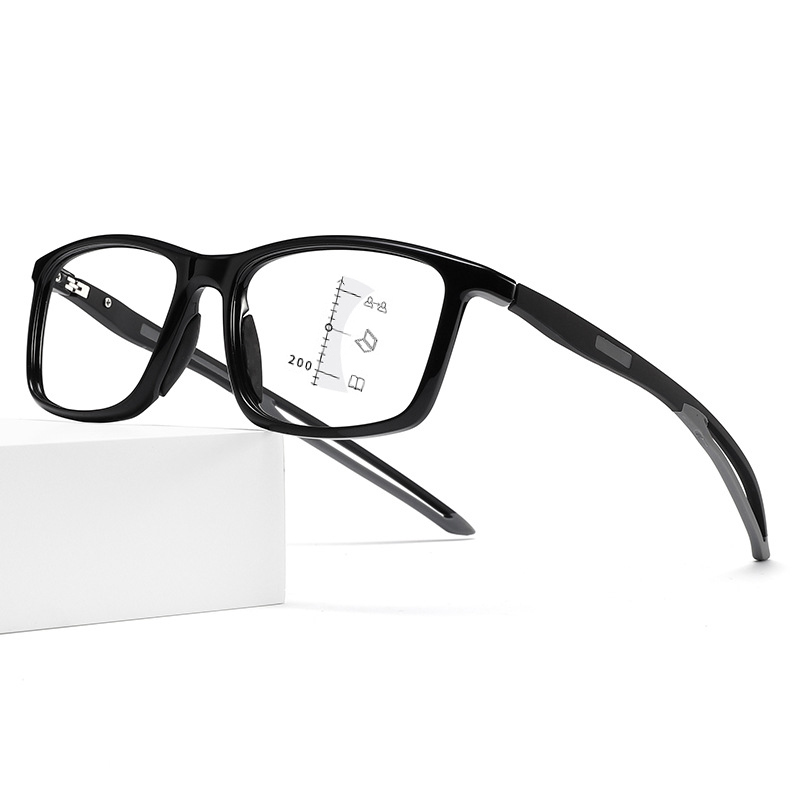
Finding the right pair of rx reading glasses can be tough. I used to think all reading glasses were the same. I always went for the cheapest option. But I learned my lesson the hard way. My journey from budget buys to high-quality lenses changed how I see things, literally. If you use rx reading glasses, you know how important clear vision is. This story will show you why upgrading is a smart move.
Don't buy new reading glasses before you read this. Here’s why a smart upgrade makes sense:
My first purchase of rx reading glasses was super cheap. I just grabbed the lowest-priced pair I could find. I thought I was being smart with my money. But it was a big mistake. These glasses often came in a multi-pack, usually from a discount store. The price was great, maybe $5 to $10 for a pair. They felt light and flimsy from the start.
These cheap glasses lasted maybe a few weeks. The frames would bend out of shape easily. The tiny screws holding the arms often came loose. Sometimes, they would even fall out completely. I was always trying to tighten them or push the arms back into place. It was a constant hassle. It never really worked.
The lenses were another problem. They scratched very easily. Even gentle cleaning would leave marks. This made it hard to see clearly. The clarity was never great to begin with. I often felt my eyes working harder to focus. This led to headaches after reading for a short time. It was frustrating. I ended up buying new cheap pairs often because they broke so fast. This meant I was spending more money in the long run.
I remember one time I read a review for a similar cheap product. A user wrote, "These glasses broke the first week. The lenses were blurry, and they felt cheap. A total waste of money." This perfectly summed up my own experience. The low price felt good at first, but the quality made them a bad deal.
Verdict: Cheap rx reading glasses are a false economy. They cost you more in time, frustration, and repeated purchases.
After many bad experiences with super cheap glasses, I decided to upgrade a bit. I thought spending a little more would solve all my problems. So, I upgraded to something mid-range. These pairs usually cost between $20 and $40. They looked a bit nicer than the super cheap ones. They often came in slightly better packaging too. I felt like I was making progress.
The mid-range glasses were... okay. They did last longer than the cheapest ones. The frames felt a bit sturdier. They didn't break within days or weeks. This was a relief. The lenses also seemed a little clearer at first. I could read for longer without getting a headache right away. This made me hopeful that I had found a good balance between price and quality.
However, these glasses still had issues. They weren't perfect. After a month or two, the frames would start to feel loose. The arms would wobble a bit. The hinges weren't as strong as I hoped. The anti-glare or scratch-resistant coatings were not very good. They often got scratched or smudged easily. This still affected my vision over time. They were better, but they weren't truly comfortable or reliable.
A common complaint I saw in reviews for similar mid-range products was, "They were better than the cheap ones, but the arms still felt loose after a month. The anti-glare coating scratched too easily." This reflected my experience well. I was still making compromises. I wanted glasses that I didn't have to worry about. I wanted them to perform well every day, all day.
Verdict: Mid-range rx reading glasses offer some improvement, but often still leave you wanting more in terms of durability and consistent vision quality.